Discover Poland with us
We invite RIDEF 2026 participants to explore our region, history, culture and traditions.
Excursion Selection Guide
Read the descriptions and choose according to your own interests.
Introduction
Our country is as beautiful as any other in the world. The northern part of Poland offers unique and remarkable places worth discovering.
We have prepared six different excursion options that will allow you to experience this region not as a tourist, but as an attentive observer and active participant.
We invite you to encounter history written in architecture, museum collections, and the monumental heritage of the Middle Ages.
We also invite you to discover the local culture of Kashubia, which has built its identity over generations through language, tradition, and education.
During the excursions, you will notice how important human responsibility is toward the natural, social, and cultural environment.
The entire offer is consistent with the main theme of RIDEF – learning through experience, dialogue, and conscious presence in the world.
We believe this day will be an opportunity for shared discovery, meaningful conversations, and relationship-building – just as Célestin Freinet taught – through experience, contact with reality, and attentiveness to the place in which we are.
We are happy that you will be part of this journey.
Important organisational information
- You choose one excursion from the six available options.
- The cost of the excursion is already included in the RIDEF 2026 participation fee.
- Lunch is not included in the excursion programme.
- Participants will have the opportunity to taste local Polish specialities at their own expense.
- After returning to Gniewino, a shared dinner will be provided.
- You will receive a map highlighting selected areas of the city worth visiting for historical, cultural, natural, or social reasons.
How to register for an excursion?
Step 1 – Explore the options.
Descriptions of all six excursions can be found:
- on the RIDEF website below
- on the official RIDEF Facebook profile
We encourage you to read the descriptions carefully and choose the route that best matches your interests.
Step 2 – Register.
You can make your selection:
- during registration upon arrival at RIDEF
or - until 1 August at the RIDEF office
During registration, you will also be able to indicate alternative options in case your preferred excursion is fully booked.
Each route has a limited number of places. Choosing an alternative option will help us organise logistics efficiently and prepare the final participant lists.
Available excursions
On 5 August 2026, participants will be able to join one of the excursions.
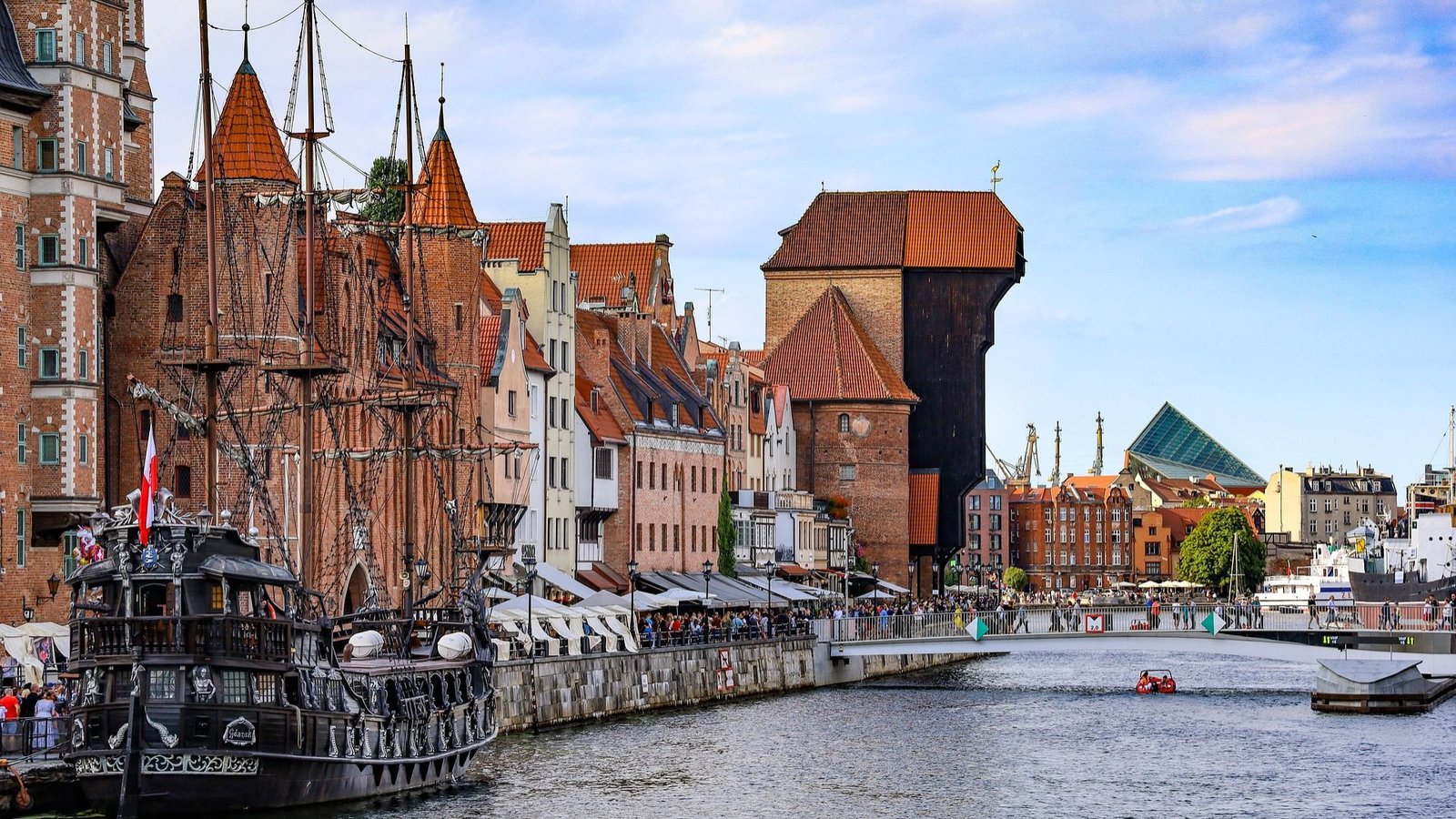
1. Gdańsk and the Museum of the Second World War
A history that teaches and connects. We invite you to the historical heart of Pomerania – a city of freedom, dialogue, and multicultural tradition.
What will you see:
We will visit the modern and deeply moving Museum of the Second World War, whose interactive exhibitions present the global experience of World War II from the perspectives of Europe, Asia, Africa, and the Americas. It is a story not only about military events, but above all about human lives, everyday life during the conflict, and the consequences of war for the contemporary world.
Next, we invite you for a walk through the historic centre of Gdańsk, where historic townhouses, the Motława riverfront, and Hanseatic architecture create the unique atmosphere of a city open to the world.
During free time, we encourage you to experience the extraordinary atmosphere of St. Dominic’s Fair – a vibrant cultural and trade festival where street music, traditional crafts, regional flavours, and colourful stalls blend into a lively international atmosphere. It is one of the largest and oldest open-air events in Europe!
Why it’s worth it:
This visit is not only a lesson in history, but also a deep reflection on the consequences of conflicts and the hope for peace an cooperation. Gdańsk is a city where history is not confined to books – it lives in its spaces, architecture, and everyday culture. Walking its streets and experiencing the fair, you can feel how the past and present intertwine within a living international community.
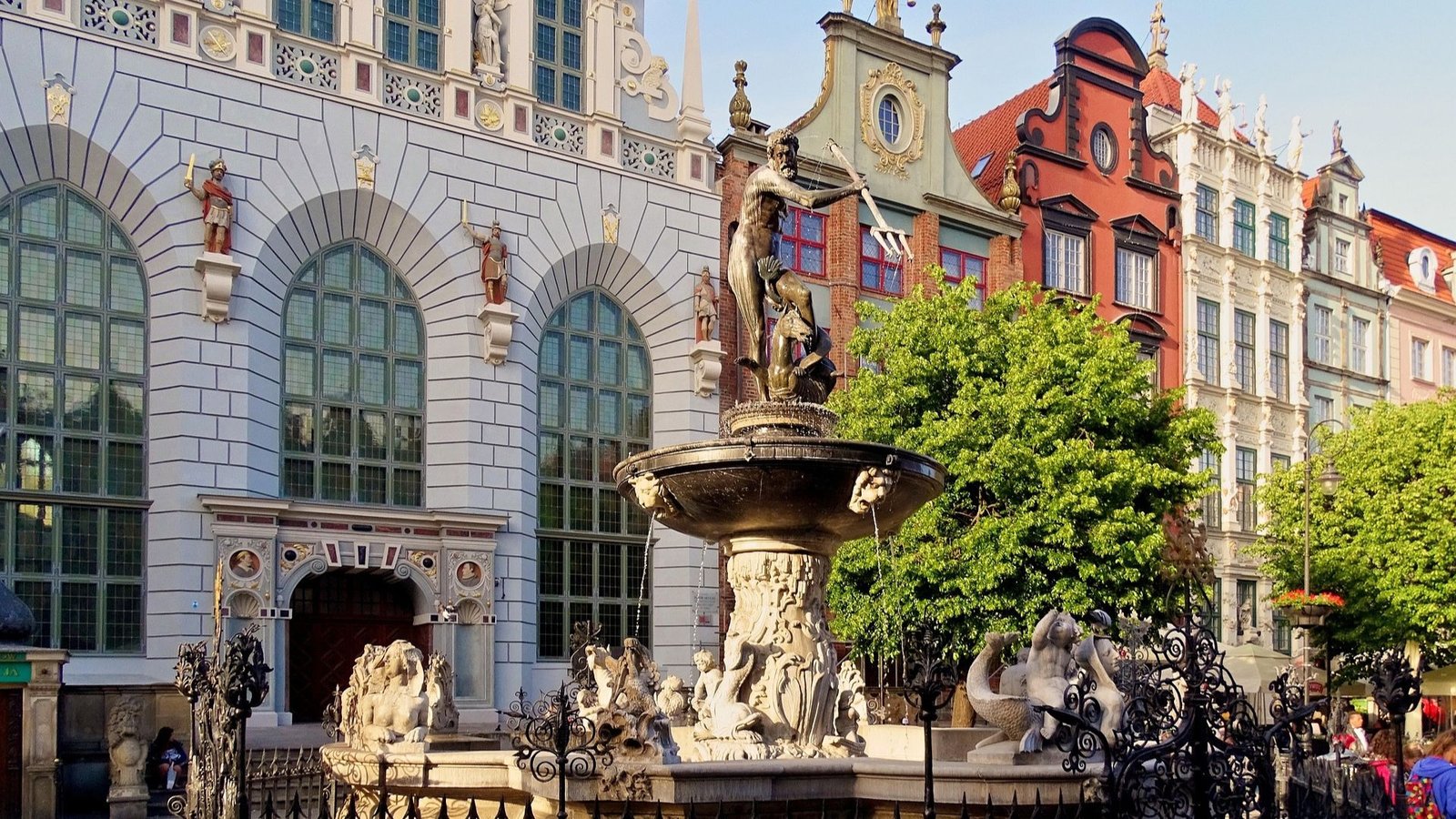
2. Gdańsk and the European Solidarity Centre
Solidarity as a value. We invite you to the city where solidarity became a symbol of courage, dialogue, and peaceful transformation.
What will you see:
We will visit the modern and interactive European Solidarity Centre, located on the historic grounds of the former Gdańsk Shipyard. The permanent exhibition guides visitors through the history of the Solidarity movement, the strikes of 1980, and the transformations that led to the fall of communism in Central and Eastern Europe. Multimedia displays, authentic documents, and historical artefacts help us understand the power of community and civic responsibility. It is a place deeply rooted in social dialogue and the peaceful struggle for human rights.
Next, we invite you for a walk through the historic centre of Gdańsk, where historic townhouses, the Motława riverfront, and Hanseatic architecture create the unique atmosphere of a city open to the world.
During free time, we encourage you to experience the extraordinary atmosphere of St. Dominic’s Fair – a vibrant cultural and trade festival where street music, traditional crafts, regional flavours, and colourful stalls blend into a lively international atmosphere. It is one of the largest and oldest open-air events in Europe!
Why it’s worth it:
This is not only a lesson in recent history, but also an inspiring story about the courage of ordinary people who changed the course of history. A visit to the ECS shows that solidarity, cooperation, and dialogue can become the foundation of profound social change. A walk through Gdańsk completes this experience, revealing a city where the history of transformation is still present in public space.
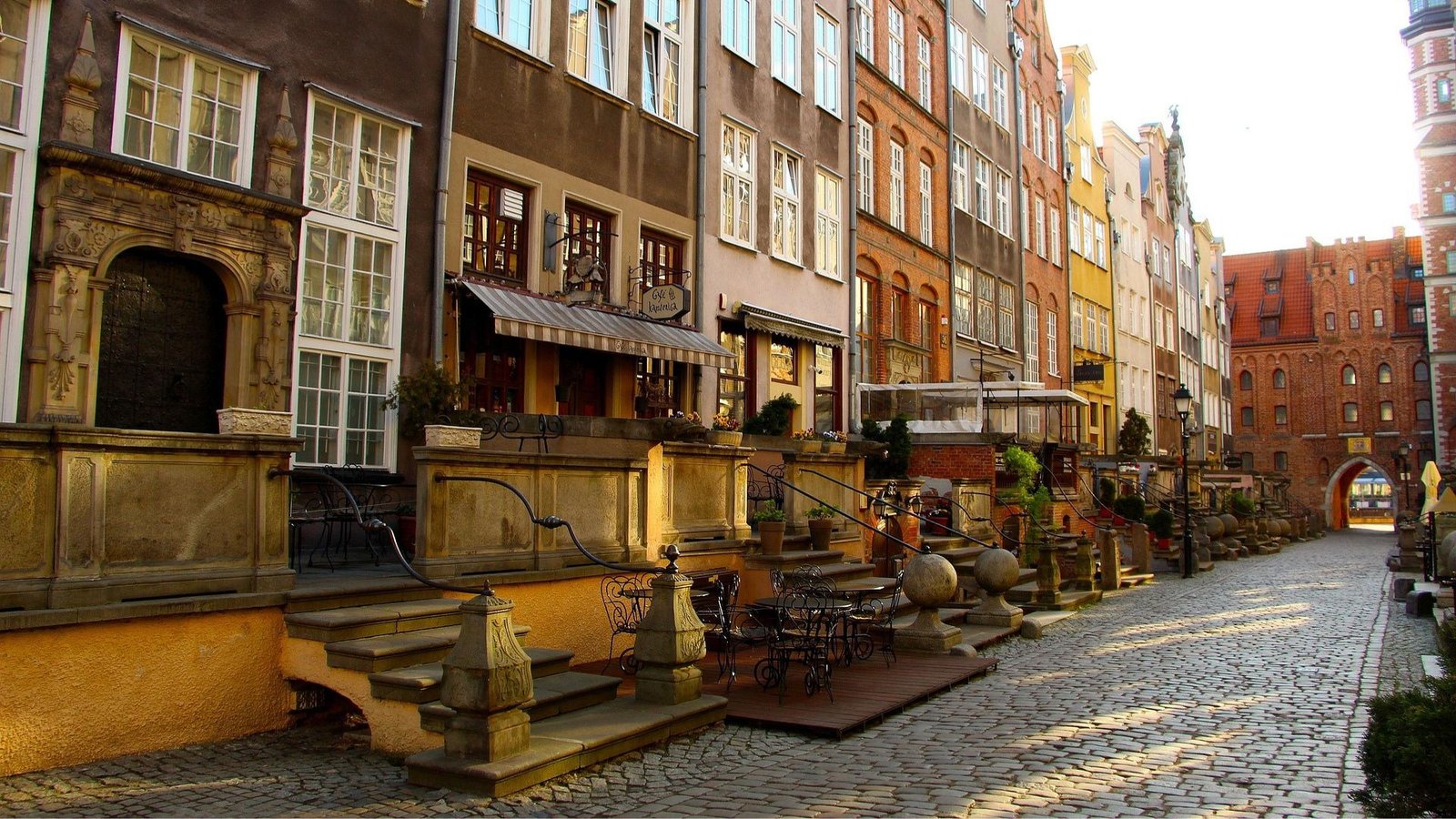
3. Gdańsk – a city of merchants, kings, and free people
Join us on a remarkable journey through time in one of the most beautiful historic centres in Poland, where tradition meets maritime power and multicultural heritage.
What will you see:
We will begin our walk at the representative Golden Gate, which leads to the Royal Route – the historic path once used by Polish monarchs entering the city. We will stroll along Długa Street and the Long Market, admiring Renaissance townhouses and the city’s symbol – the Neptune Fountain.
We will see the monumental Main Town Hall, a testimony to the former power and self-governance of the city, as well as the impressive St. Mary’s Basilica – the largest brick church in Europe. The walk will end by the Motława River at the historic Crane, a medieval port crane that symbolises Gdańsk’s maritime character.
During free time, we encourage you to experience the extraordinary atmosphere of St. Dominic’s Fair – a vibrant cultural and trade festival where street music, traditional crafts, regional flavours, and colourful stalls blend into a lively international atmosphere. It is one of the largest and oldest open-air events in Europe!
Why it’s worth it:
A walk through the Old Town is an encounter with history written in architecture, details, and urban legends. It is a story of merchants, sailors, artists, and people of many cultures who shaped this unique city over centuries. Gdańsk captivates with its spirit of openness and reminds us that diversity and cooperation have always been its strength.
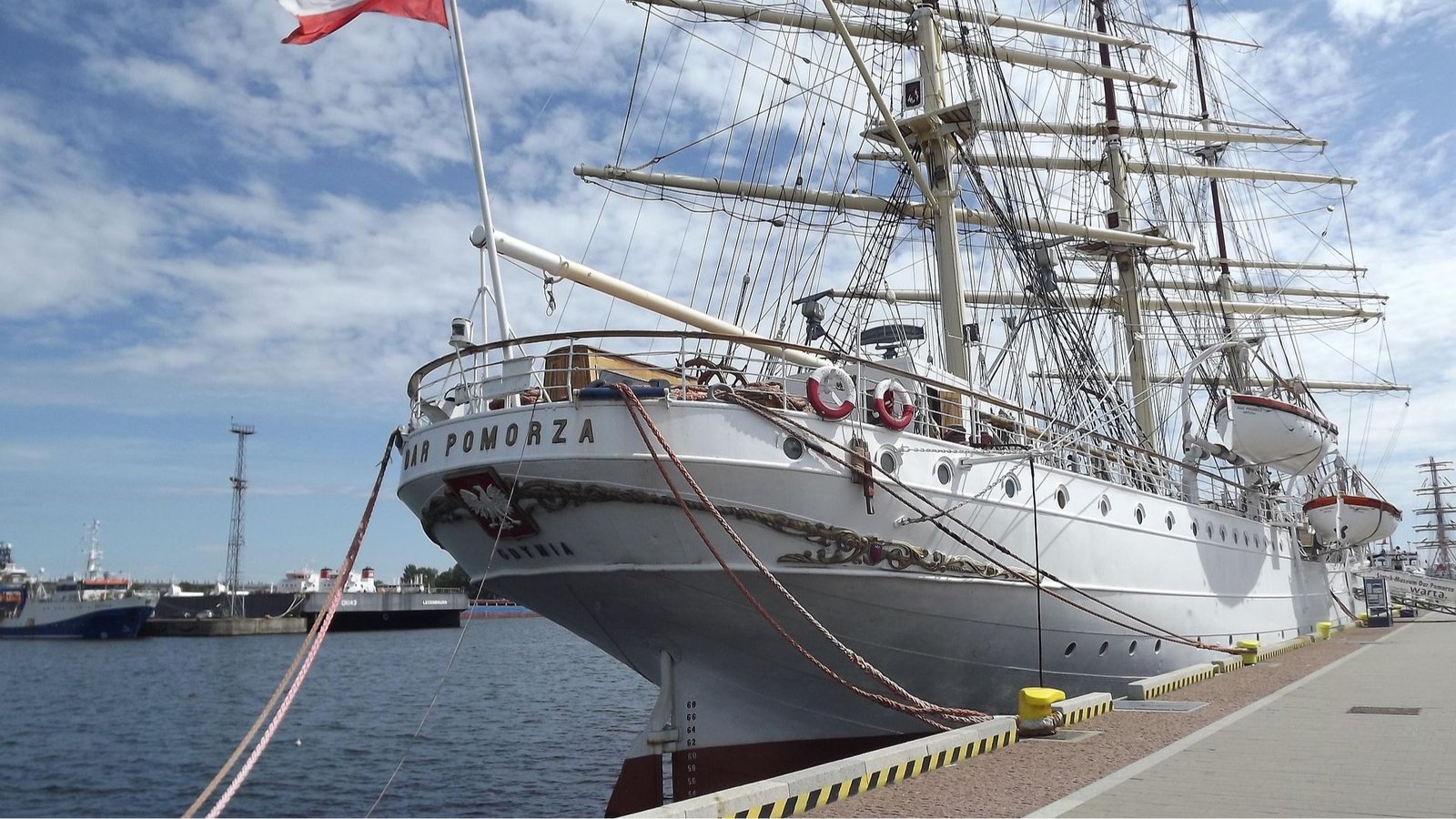
4. Gdynia – a city of the sea and modernity
Feel the freedom of the sea and the energy of the open horizon! We invite you to a dynamic city born from dreams of free access to the sea – a symbol of courage, modernity, and openness to the world.
What will you see:
We will explore the modernist city centre – one of the most remarkable examples in Europe of compact interwar architecture, which became a symbol of the ambitions and modern spirit of the young Polish state. Bright façades, geometric forms, and functional urban design create a unique cityscape recognised as a Polish Historic Monument.
We will visit the harbour and Kościuszko Square – the heart of maritime Gdynia. A walk along the seaside promenade will allow us to feel the rhythm of a city living in close connection with the sea. We will also admire the picturesque Orłowo Cliff, offering breathtaking views over the Bay of Gdańsk.
We will explore the legendary museum ship ORP Błyskawica, one of the oldest preserved destroyers in the world, a witness to World War II and a symbol of maritime courage. Nearby stands the historic sailing ship Dar Pomorza, which trained generations of sailors while sailing the world under the Polish flag.
We will also visit the Gdynia Aquarium, where we will discover the ecosystems of seas and oceans – from coral reefs to species characteristic of the Baltic Sea. This fascinating encounter with biodiversity combines learning with direct experience and raises awareness of global environmental challenges.
There will also be time for the beach – an opportunity for a swim, a walk along the shoreline, or a moment of relaxation on the sand. The sound of the waves and the open space create perfect conditions for conversation, integration, and community building among participants.
Why it’s worth it:
A city of the sea inspires openness, dialogue, and crossing boundaries – both geographical and mental. It is a space where the history of the 20th century meets modernity and where education blends with lived experience. Walking along the waterfront and gazing at the horizon, it becomes clear that the sea has always symbolised freedom, courage, and a shared journey toward the future.
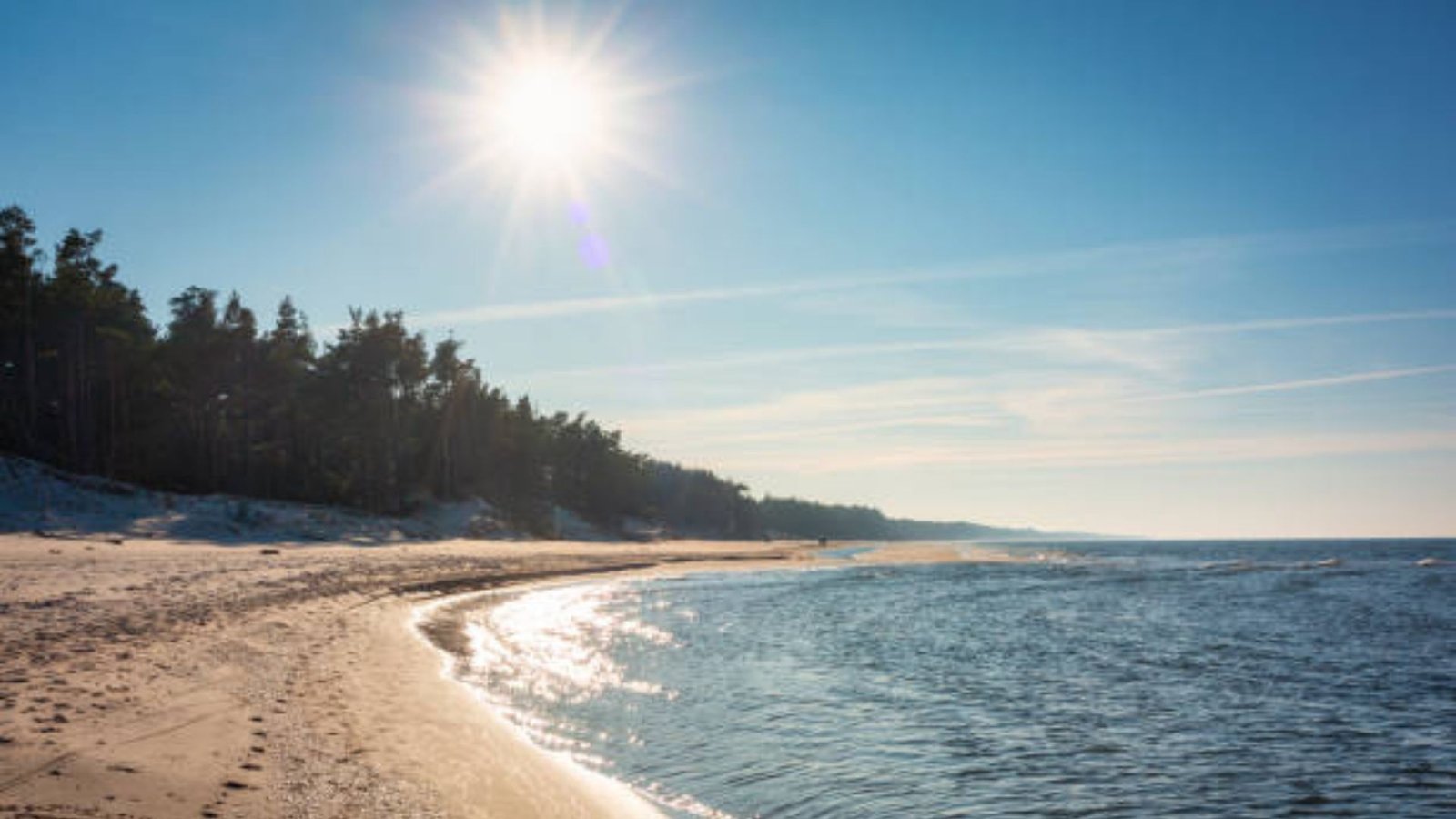
5. Słowiński National Park and Łeba – shifting dunes and Baltic nature
We invite you to a place where the landscape is constantly changing and nature reveals its raw and beautiful power.
What will you see:
We will visit the extraordinary Słowiński National Park, famous for its unique shifting dunes – one of the most remarkable natural phenomena in Europe. A walk among vast sandy hills, with views of the Baltic Sea and Lake Łebsko, will offer a sense of space, silence, and closeness to nature.
We will follow designated educational trails, learning about the park’s ecosystems and the phenomenon of dune movement shaped by the wind.
Next, we will head to the seaside town of Łeba, where free time is planned. There will be an opportunity to walk along the beach, swim in the Baltic Sea, and enjoy local flavours in seaside cafés and restaurants. It will be a time for relaxation and integration in a coastal resort atmosphere.
Why it’s worth it:
This excursion is perfect for those who wish to experience nature as a space for reflection and balance. Słowiński National Park shows how dynamic and fragile natural processes are, and how important human responsibility toward the environment truly is.
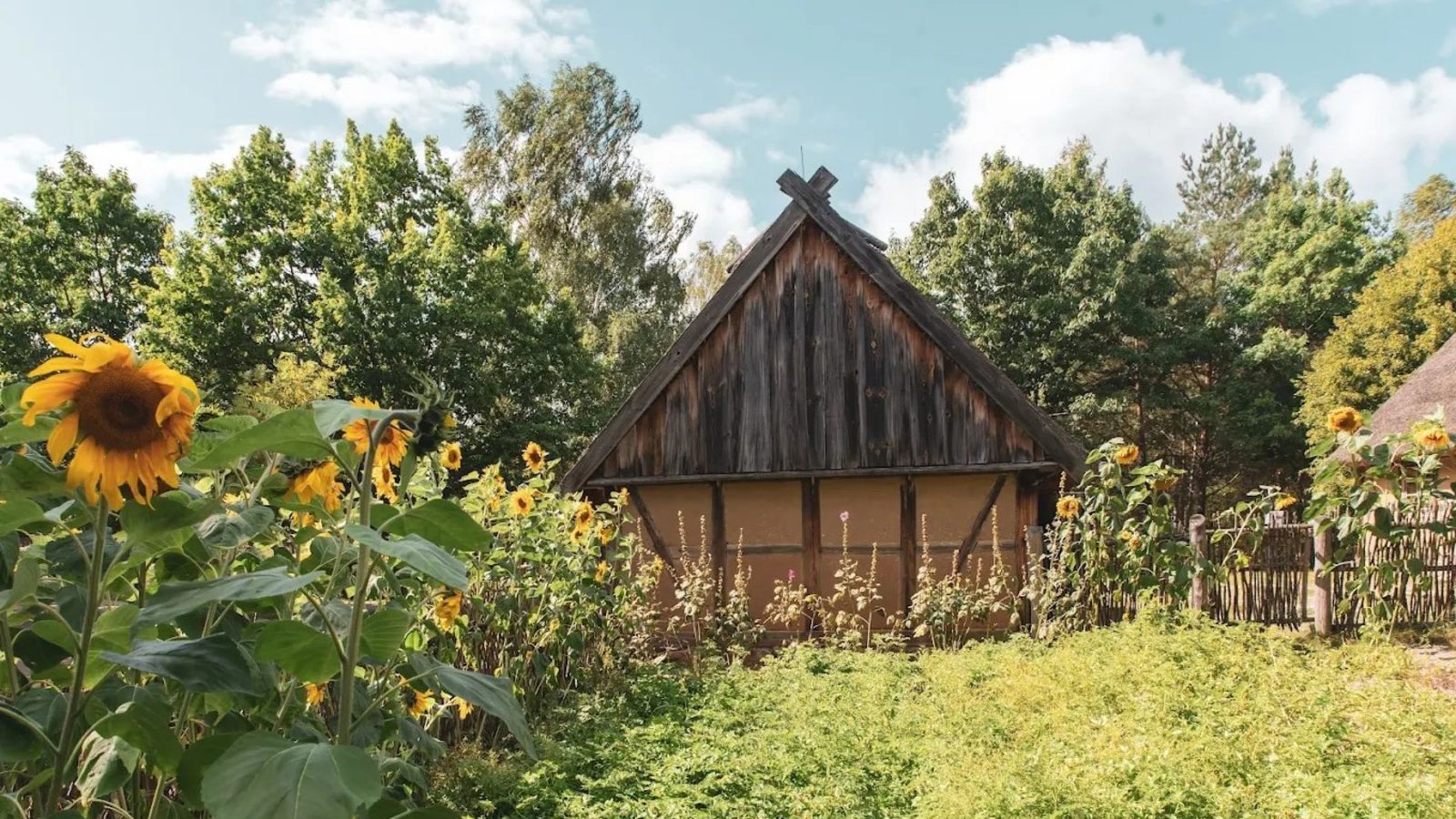
6. Museum – Kashubian Ethnographic Park in Wdzydze – Kashubian culture and tradition
We invite you to the heart of Kashubia – a region with a strong cultural identity and living traditions.
What will you see:
We will visit the Kashubian Ethnographic Park in Wdzydze, the oldest open-air museum in Poland. Surrounded by lakes and forests, we will explore traditional cottages, a rural school, a church, windmills, and craft workshops.
The exhibition presents the everyday life of former inhabitants of the region – their work, education, customs, and community life. There will also be free time for a peaceful walk around the museum grounds and an opportunity to explore regional handicrafts.
An additional element of the programme will be short educational workshops led by museum animators. Participants will be able to try traditional crafts such as Kashubian embroidery, glass painting, working with clay, or other seasonal activities. This is a hands-on experience of culture through action.
Time will also be provided for a relaxed walk, conversations, and individual discovery of architectural and landscape details.
Why it’s worth it:
Wdzydze offers an encounter with a local culture that has shaped its identity over generations through language, tradition, and intergenerational education. The visit will inspire reflection on the role of community, heritage, and education rooted in culture. It is an excursion that combines history, practice, and intercultural dialogue in a calm, natural setting.
Ogólne informacje dotyczące wizy
Zobacz, jakie warunki należy spełniać oraz jakie dokumenty posiadać, aby uzyskać wizę.
Aby uzyskać wizę typu C (wizę krótkoterminową), uprawniającą cudzoziemców do pobytu w strefie Schengen, w tym w Polsce, przez okres nieprzekraczający 90 dni, wymagane są następujące dokumenty i spełnienie poniższych warunków:
- Paszport ważny co najmniej trzy miesiące po planowanej dacie opuszczenia terytorium strefy Schengen lub — w przypadku kilku planowanych wizyt — po dacie ostatniego wyjazdu ze strefy.
- Paszport musi zawierać co najmniej dwie wolne strony przeznaczone na wizę.
- Paszport nie może być starszy niż 10 lat.
- Wypełniony i podpisany wniosek wizowy.
- Fotografia odpowiadająca wymaganiom wizowym (zbliżona do tej w paszporcie).
- Potwierdzenie uiszczenia opłaty wizowej (jej wysokość zależy od kraju, w którym składany jest wniosek).
- Podróżne ubezpieczenie medyczne, które:
- zapewnia minimalną sumę ubezpieczenia w wysokości co najmniej 30 000 EUR,
- jest ważne na obszarze całej strefy Schengen,
- obejmuje cały planowany okres pobytu lub tranzytu,
- pokrywa potencjalne koszty związane z repatriacją medyczną, nagłą pomocą medyczną, leczeniem szpitalnym lub śmiercią.
- Dokumenty uzupełniające, potwierdzające cel podróży — w szczególności zaproszenie, a także odpowiednie środki finansowe na pokrycie kosztów pobytu i ewentualnego tranzytu.
